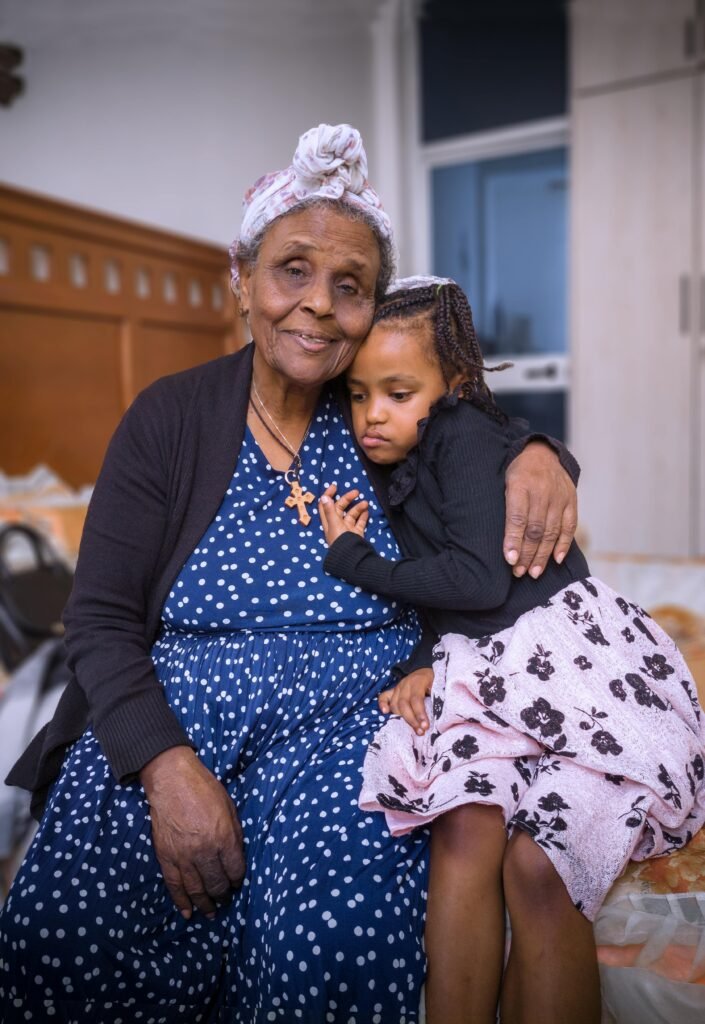
Picture this: A grandmother sits quietly in the corner, her eyes brimming with love as she watches her grandchildren play. But amidst the laughter and joy, there’s an invisible barrier separating her from the little ones she adores. It’s not distance or time that keeps them apart, but something far more profound—a language barrier that silences the stories, wisdom, and love she longs to share.
In a world where globalization and urbanization have become the norm, the ties that bind us to our cultural roots are slowly unraveling. Yet, amidst the hustle and bustle of modern life, there remains a thread of connection that holds us together—the language of our ancestors.
1. Preserving Cultural Heritage: Our mother tongue is more than just a means of communication; it’s a living testament to our cultural heritage. Each word, each phrase carries with it the stories, traditions, and values passed down through generations. By learning and preserving our ancestral language, we honor the sacrifices and triumphs of those who came before us, keeping their legacy alive for future generations.
2. Strengthening Family Bonds: Language is the glue that binds families together, fostering a sense of belonging and unity. For grandparents like the one in our opening scene, the inability to communicate with their grandchildren due to a language barrier can be a heartbreaking experience. Learning and speaking our mother tongue not only bridges the gap between generations but also deepens the bonds of love and understanding within our families.
3. Enhancing Cognitive Function: Beyond its cultural and emotional significance, research has shown that learning multiple languages can have significant cognitive benefits. From improved memory and problem-solving skills to enhanced creativity and multitasking abilities, embracing our mother tongue can be a powerful tool for personal growth and development.
In a world that often prioritizes assimilation over preservation, it’s easy to lose sight of the value of our mother tongues. Yet, as we’ve seen, the benefits of learning and reviving our ancestral language extend far beyond the realm of communication. They touch the very core of who we are, enriching our lives with a deeper sense of identity, connection, and purpose.
So let us rise to the challenge, let us reclaim our linguistic heritage with pride and determination. For in doing so, we not only honor the past but also pave the way for a brighter, more inclusive future—one where the power of mother tongues continues to unite and inspire us all.